Bottling line
Imported food-grade oil from Russia and Belarus. Receiving, storage, 0.5–5 L PET bottles and packaging for Ethiopia.
ETHIOPIA · KOMBOLCHA SEZ
Belarusian technology, local agricultural resources and partner capital in one agricultural business model.
Explore the project ↗OVERVIEW
A holding is planned in Kombolcha to connect contract farms with processing, services and sales markets. The first phase combines coffee, fertilizers, meat processing and an imported oil bottling line.
Planned site area
Business lines
Modelled initial funding
Proposed investor stake
Pre-feasibility estimate. The base requirement exceeds the $2 million target; cost ranges and assumptions are disclosed in the revised financial model. Initial funding does not cover full development of 50 hectares.
BUSINESS MODEL
Each business serves its own market. Shared agricultural resources, infrastructure and standards help them develop as a system.
Fertilizers and agronomic support generate repeat demand from farmers. Application rates and effectiveness are verified through trials.
Contracts, inputs, land areas, harvests, batch quality and settlements in a shared record system.
Once seed processing starts in stage 3, oilcake/meal will supply external buyers and support future feed partnerships.
Internal sales are eliminated from consolidated revenue. Farmland lies outside the industrial site.
HOLDING PORTFOLIO
We start with four processing operations. As the farmer and customer network grows, we add mechanization, services and dedicated competence centers.
Expand a business line to explore its initial model, products, customers and scaling conditions. All facilities below are at the concept stage.
A pilot for organo-mineral blends with a design capacity of up to 2,000 tonnes of finished products per year. Initially: prepared organic substrate, purchased mineral components, blending, quality control and packaging. Supplies from Belarus may help test the market before expanding local production. Formulations, application rates and efficacy claims must be supported by laboratory and field trials.
Compost and organo-mineral blends for cooperatives, contract farmers, large crop farms and agricultural dealers. Separate silicon-containing mineral products are considered as a future range following registration and trials.
Progression from blending to local preparation and stabilization of organic materials; then additional lines and regional production modules near reliable organic feedstock sources. Local components are used only after composition and safety are verified. The presence of halite alone does not constitute a potash resource: predominantly NaCl material cannot be treated as equivalent to KCl.
Supplies to farmers help build both fertilizer demand and a sourcing network for processing. Organic residues may return to production after sanitation and verification of their permitted use. ATCE records input deliveries and agricultural season results.
Repeat orders, stable unit costs, positive trial results, product registration, contracts for safe organic materials, water access, and solutions for odors and effluent.
A processing module handling up to 300 tonnes of incoming carcasses per year. An approved contractor performs slaughter; the holding manages procurement, veterinary control, the cold chain, deboning, cutting and packaging. This format allows demand to be tested before investment in an owned slaughter complex.
Chilled and frozen cuts, portioned products and semi-prepared foods for wholesalers, hotels, restaurants and retail chains. Export specifications are developed for selected buyers and destination-country requirements.
Expansion of cold storage and further processing; then an owned slaughter complex if raw material supply, utilization and export approval are confirmed. Gulf market access requires approved sanitary status for the country and facility, traceability and appropriate halal certification. Local livestock numbers alone do not guarantee exports.
Veterinary control supports animal quality; training programs prepare operators; a future feed business may use suitable oilcake. By-product processing is assessed separately against veterinary and environmental requirements.
Supply and sales contracts, product yields, low cold-chain losses, veterinary compliance, verified water supply and wastewater treatment. Basic veterinary and laboratory control are needed from day one, even if a dedicated center is built later.
Up to 300 tonnes of incoming green beans per year: receiving, quality assessment, sorting, preparation of export lots and limited roasting. In the model, 85% of incoming beans are allocated to green coffee and 15% to roasting; this is a commercial assumption, not contracted orders.
Green beans for importers and roasters; roasted coffee and private label products for distributors, hospitality and retail. Priority markets for demand testing are Russia/EAEU, the Middle East and China.
Increase the share of roasting and branded packaging only after repeat sales are demonstrated. Next steps include segmentation by origin and quality, long-term cooperative programs and contract manufacturing for partners. Instant and freeze-dried coffee require a separate investment project after sufficient scale is verified; they are outside the pilot budget.
Shared logistics, an export team, laboratory control and ATCE support procurement and traceability. Coffee is grown in suitable sourcing regions; the SEZ site itself is not automatically assumed suitable for coffee cultivation.
Consistent batch quality, repeat customer purchases, positive margins after logistics and weight losses, sufficient working capital, and compliance with target-market traceability requirements.
Receiving bulk unrefined sunflower and corn oil, batch control, storage in food-grade tanks, filling into 0.5–5 L PET bottles, capping, labeling and packing in corrugated cartons. The base configuration assumes purchased PET bottles; in-house blow molding is assessed separately. Throughput and tank capacity will be determined after demand and delivery schedules are verified.
Supplies are planned from Russia, with sunflower oil also sourced from Belarus subject to supplier and origin verification. The sea leg runs to Djibouti in food-grade flexitanks, indicatively 20–24 tonnes per shipment; allowable loading depends on the container, oil and carrier rules. This is followed by road transport of the container or an agreed transfer into a food-grade road tanker to Kombolcha. Bulk road tanker transport applies to the land legs of the route.
Direct bottling accepts only food-grade unrefined oil that may legally be sold under local requirements; bottling does not replace purification and refining. Product registration, labeling, shelf life, fortification requirements and laboratory parameters must be checked before launch. If a batch requires refining, contract processing is used or food-grade refined oil is purchased.
$150–180/tonne is a preliminary assumption from the project initiator, not a confirmed end-to-end rate. Quotations must separately disclose transport to the departure port, ocean freight, the flexitank, insurance, port charges, clearance, delivery from Djibouti, demurrage and taxes. The claim of an 18% share of world exports has been removed pending clarification of the country, period and source.
Processing imported unrefined sunflower and corn oil into refined deodorized oil. Base process: preparation and hydration/degumming, neutralization, washing and drying, bleaching, winterization/dewaxing, vacuum deodorization, testing and bottling. Wax removal is provided for corn oil; sunflower oil processing conditions depend on clarity and cold-stability specifications. The quality grade is established by testing and the applicable standard, not by the line name.
Stage 1 tanks and bottling equipment are reused after compatibility checks. Additions include steam and heat, vacuum, cooling, water treatment, wastewater treatment, chemical storage, and handling of soapstock and spent bleaching earth. Progression requires verified utilization, refined oil yield and margins after losses and energy costs.
Design, construction and commissioning of local oilseed processing: seed receiving, cleaning, drying and storage, preparation, pressing/pre-pressing and extraction, solvent recovery, meal treatment, and transfer of oil to refining and bottling. Configuration and capacity depend on the sourcing base; solvent use requires appropriate fire and explosion protection design, emission control and residual-solvent monitoring.
Outgrower contracts are developed before plant commissioning. Sunflower, niger seed, sesame and cottonseed require separate trials and process settings; cottonseed requires gossypol control. Corn oil is obtained from germ, so local production requires a separate germ separation or procurement chain. Oilcake/meal becomes available only at the seed-processing stage and, after quality control, supplies feed buyers and future livestock partnerships.
Initially: Ethiopian retail, distributors, hospitality and food manufacturers. Later: a wider refined deodorized oil range, contract bottling and private label. Local seed processing gradually reduces dependence on imported oil; regional exports are assessed against logistics, approvals and rules of origin. Stage dates may overlap because of design and construction; commissioning depends on a separate investment decision.
The model assumes bottling capacity of 1,000 t of finished oil/year from 2027, refining capacity of 2,000 t of crude oil/year from 2029 and extraction capacity of 10,000 t of seeds/year from 2031. Actual output depends on utilisation and yields. Each expansion and working capital requirement is budgeted separately. At base prices, refining has negative EBITDA in 2029–2030; commissioning requires improved economics. Imported oil remains necessary to supplement refinery feedstock after extraction starts.
The project's second phase: dealership supplies, pre-delivery preparation and spare parts for an established farm network. Model selection is based on actual land areas, crops, seasonal operations and customers' ability to pay.
Tractors, harvesting and trailed equipment, specialized machines and spare parts; later, local assembly of selected models. Electric vehicles form a separate product program with verification of demand, charging infrastructure and battery life.
Sequence: supplies → dealer network → SKD/CKD assembly → localization of feasible components. Progression is determined by utilization and costs, not the calendar. Potential technology sources include Belarus and other partner countries; suppliers are selected through competitive quotations.
The farmer network provides initial demand, servicing supports equipment availability, and the training center prepares machinery operators. The holding's own needs form part of the market but do not replace external sales.
A service network, spare parts availability, confirmed orders, warranty terms, staff training and total cost of ownership comparisons. Leasing or installments are possible with a separate financial partner and credit risk controls.
The MVP launches alongside the agricultural operation: a register of farmers and contracts, plots, inputs issued, expected and actual harvests, receiving, quality, accruals and settlements. At this stage ATCE is an operating system for project participants, not a licensed international exchange.
Farmers, procurement staff, warehouses and the finance team gain a shared transaction history. This helps compare plans with actual results, track debt and establish verifiable batch traceability.
After sufficient trading activity: buyer and supplier accounts, a batch catalog, trading orders and logistics integration. Warehouse receipts, clearing, payments and exchange functions are added after legal structuring, bank participation and the necessary infrastructure. Commission income cannot be treated as established before external demand is demonstrated.
Shared reference data and batches connect fertilizers, farming, coffee, oil and livestock supplies; data access is separated by role and commercial need.
Reliable data, regular use by farmers and staff, completed transactions, information security and a clear jurisdiction for trading functions.
Basic repair functions are required at production launch. A standalone commercial service business grows with the machinery fleet and dealer network: diagnostics, seasonal maintenance, repairs, mobile crews and spare parts.
Holding companies, contract farmers, independent farms, regional dealers and machinery owners.
Central workshop → mobile service → district service points → component and assembly refurbishment. Service contracts and scheduled maintenance may improve recurring revenue when enough machines are covered.
Servicing reduces production downtime, supports equipment sales and gives the training center a practical base. Spare parts inventory and repair histories support procurement planning.
Customer density, technician utilization, parts lead times, repair quality and profitable site visits. The number of machines sold alone does not guarantee service network profitability.
Induction and production training begin in the first phase. A dedicated third-phase center combines training for production and machinery operators, repair technicians and managers with practice at operating sites.
Training in equipment operation, quality and safety, production planning, negotiations and team management. Clients include businesses, farmer associations and government programs under appropriate agreements.
Corporate courses → joint programs with educational institutions → licensed qualifications → a regional training network. Belarusian expertise is adapted to local languages, equipment and professional standards.
Government or donor co-funding may support youth employment, retraining and accessible education programs. It requires a separate application, outcome indicators and reporting; it is not included in the base financial model as guaranteed income.
Confirmed employer demand, education partners, qualification recognition, completion and employment rates, and economically sustainable programs.
Mandatory checks and veterinary control are provided from day one by in-house specialists and approved external laboratories. A capital-intensive standalone laboratory center belongs to the third phase.
Checks on animals and meat raw materials, microbiology, quality parameters and residues as required by the product and market; services for holding companies and independent clients. The specific test portfolio is defined by the technical brief and accreditation scope.
Sampling and referral → basic in-house laboratory → expanded methods and accreditation → regional diagnostics network. Veterinary points develop near actual livestock clusters.
Laboratories support meat, oil, coffee and fertilizers; ATCE links batches to test results. The training center prepares staff.
Sufficient sample volumes, qualified specialists, reliable reagent supplies, a quality program and recognition of results by target regulators. An in-house laboratory does not replace export approvals.
OIL BUSINESS · 2026–2031
Imported food-grade oil from Russia and Belarus. Receiving, storage, 0.5–5 L PET bottles and packaging for Ethiopia.
Processing unrefined oil into refined deodorized oil. Purification, wax removal and deodorization.
Construction of local oilseed processing. Oil goes to refining; oilcake and meal supply feed buyers.
Planned dates. Each transition requires a separate estimate, verified feedstock and sales. Explore the business line ↓
ADDED VALUE
The holding's opportunity is to expand its range where buyers will pay for quality, packaging, reliable supply and traceability.
Green beansBatch quality and contracted exports
Roasting and packagingBranded products and private label
Further processingA separate project after scale is verified
Higher selling prices do not equal higher profit. Each additional processing stage is assessed for costs, losses and working capital.
SCALING
We replicate proven processes and modules the market needs. Each new region receives its own sourcing, sales and financing model.
0–18 months · SCENARIO
Pilot: coffee, organo-mineral fertilizers, meat processing and oil bottling.
The initial scenario relies on ready-to-use leased premises and modular lines. The agricultural business builds a contract farmer base, while ATCE records contracts, inputs, areas, harvests, deliveries and settlements. Coffee is cleaned, sorted, partly roasted and packaged. The meat module uses purchased carcasses and contract slaughter. Organo-mineral fertilizers begin with blending and packaging approved components. The oil business starts with imported food-grade oil bottling. Refining is planned for 2027–2029 and the oil extraction plant for 2028–2031. Oilcake and meal become available after seed processing begins.
Stage objective: verify product yields, quality, batch economics and repeat demand.
Funding: Budget and funding schedule: see the revised financial model below. Shared expenditure is allocated by calendar year; phase amounts must not be added to oil-business investments a second time.
18–30 months · SCENARIO
Expansion of four processing operations after pilot validation.
Additional equipment should remove a measured production bottleneck: feedstock preparation, refrigeration, packaging, storage or line throughput. Working capital rises alongside output. Farmers receive more inputs and agronomic support; buyers gain greater consistency in quality and shipping schedules.
Stage objective: increase external sales with a controlled cash conversion cycle.
Funding: Budget and funding schedule: see the revised financial model below. Shared expenditure is allocated by calendar year; phase amounts must not be added to oil-business investments a second time.
30–42 months · SCENARIO
Supply, servicing, then local assembly.
The growing farm base creates potential mechanization demand. Demonstration sales, service capabilities and a critical parts inventory come first. CKD/SKD assembly and electric vehicles are considered after orders, service economics, supplier terms and infrastructure requirements are verified. The holding becomes a supplier of products and services to farmers throughout the season.
Stage objective: establish repeat service sales and utilization of the assembly module.
Funding: Budget and funding schedule: see the revised financial model below. Shared expenditure is allocated by calendar year; phase amounts must not be added to oil-business investments a second time.
42–60 months · SCENARIO
Training, veterinary and laboratory centers.
Specialized centers serve the expanding production and farmer network, train production and machinery operators, and provide diagnostics and product control. Basic sanitary procedures, required diagnostics, training and safety controls operate from the first phase; standalone infrastructure and a broader external service portfolio follow later.
Stage objective: reduce reliance on scarce expertise and support quality during growth.
Funding: Budget and funding schedule: see the revised financial model below. Shared expenditure is allocated by calendar year; phase amounts must not be added to oil-business investments a second time.
After model validation · SCENARIO
New procurement hubs, partner sites and regional clusters.
The first route to geographic growth is procurement and service hubs around Kombolcha. Next come partner capacity, contract processing and joint ventures. A new owned cluster is considered where feedstock, market access, infrastructure and a management team are confirmed. In a new country, product economics and local permits are checked first, then the module mix is selected: not every site needs the full range of facilities.
Stage objective: transfer proven processes without uncontrolled fixed-cost growth.
Financing: a separate investment case for each territory. International replication is outside the current five-year budget. Specific countries, contracts, dates and income are not confirmed.
Utilization and cash flow first.
Then the next investment.
BUSINESS OUTLOOK
Procurement hubs near growing areas shorten the route from harvest to receiving. The contract model connects inputs, agronomic support and crop procurement while preserving farm independence.
Condition: contract performance and competitive procurement prices.
Warehouses, cold storage, packaging and additional lines connect to shared infrastructure. A new region may use partner capacity, contract processing or a joint venture.
Condition: positive incremental cash flow.
Spare parts, repairs, seasonal maintenance and training extend customer relationships beyond machine delivery. A central workshop can grow into a network of mobile and district service points.
Condition: customer density and profitable servicing.
ATCE starts with management records. As real activity accumulates, batch catalogs, buyer orders and logistics integration become possible. An open marketplace requires separate legal structuring.
Condition: reliable data, external users and completed transactions.
GROWTH GEOGRAPHY
International replication is a future opportunity. Its budgets and revenues are outside the current five-year model.
LOCATION
The planned 50 ha site includes production, shared infrastructure and reserves. It is industrial land, not the holding's own plantations.
According to the initiator, placement of the holding in the expanding SEZ has been agreed. The total zone area and the project plot are distinct. Boundaries, lease terms and permitted activities must be documented.
Premises readiness, available power, water, wastewater treatment and road delivery determine actual startup costs. Routes to markets and Djibouti port are checked with logistics operators.
Tax and customs incentives, foreign exchange rules and repatriation terms must be confirmed for each specific activity. The base calculation excludes tax holidays.
INITIAL FUNDING IN TRANCHES
Nine funding limits replace a single upfront payment. Coffee and OMF, meat and bottling may launch in parallel as each line becomes ready.
Site checks, design and pre-opening expenses
Release condition: Site rights and approved budget
Utilities, ATCE MVP, outgrower records, basic service and quality control
Release condition: Cost estimates and shared-work contracts
Coffee USD 170k and fertiliser pilot USD 260k
Release condition: Supplier contracts and premises readiness
Cutting, chilling and packing. Contract slaughter
Release condition: Supply contracts, veterinary and hygiene controls
Reception, tanks, bottling, packaging and installation
Release condition: Food-grade specifications and line acceptance
First raw-material and packaging purchases for ready lines
Release condition: Batch plan, buyers and cash-cycle budget
Follow-on purchases after first-cycle review
Release condition: Inventory, sales and receivables report
Funding up to the target working-capital level
Release condition: Verified requirement and payment schedule
CAPEX reserve USD 110k and liquidity USD 150k
Release condition: Separate investor decision on a documented request
Exact total: USD 2,285,097.55. Working capital of USD 675,097.55 is split into three parts. Releases follow line readiness, with raw materials funded before trial batches. The reserve is held separately and must be available before start-up. This is a funding-control structure, not a new monthly model. The USD 360k refinery advance and later expansion sit outside the initial limit.
PRE-FEASIBILITY ESTIMATE
Includes capital expenditure, pre-opening costs, working capital and liquidity.
The $2 million target is compared with the modelled requirement; it is not a confirmed budget.
Requirements include capacity expansion and cash deficits; no government funding is assumed.
USD million · base case
| Year | Revenue | EBITDA | Net profit |
|---|---|---|---|
| 2027 | 2.646 | -0.038 | -0.175 |
| 2028 | 4.704 | 0.251 | 0.077 |
| 2029 | 7.877 | 0.289 | -0.177 |
| 2030 | 10.428 | 0.476 | -0.124 |
| 2031 | 19.356 | 1.580 | 0.022 |
CAPEX: $1.370 million; pre-opening costs: $0.090 million; working capital: $0.675 million; liquidity: $0.150 million.
Range: $1.591–3.663 million. Initial working capital is reserved for 80% utilisation, compared with average first-year utilisation of 45%. A further $360,000 refining advance is scheduled for 2027 and is outside the initial tranche. The monthly funding schedule accounts for the minimum cash balance.
NPV $-8.09 million USD · IRR -11.92%
Simple payback: not reached within the model horizon.
Constant 2026 USD; preparation in 2026, operations in 2027–2036. An 18% discount rate and a 30% tax assumption. No debt, grants or terminal value. Project returns are not the returns on the investor’s 31% stake.
Detailed budgets, cost ranges, oil and meal balances, working capital cycle and the first operating year by month are available in the Russian and English Excel workbooks.
PARTNERSHIP
The proposed investor stake is 31%. Contributions, business valuation and subsequent funding rounds are to be agreed in corporate documents.
Milestone-based tranches, an agreed budget, independent audits and related-party transaction rules. Dividends, dilution protection and exit terms are defined contractually.
Equipment, formulations, engineering support, staff training and servicing. Suppliers are selected after qualification and comparison of commercial offers.
Possible roles include equity participation, long-term product offtake or a joint sales channel. Product range, quality, halal and approvals are discussed for the specific market and facility.

PROJECT INITIATOR
An Ethiopian trading and investment company and the foundation of LB Agro’s management structure. Develops supplies of coffee, cocoa, cotton and botanical inputs from Africa, alongside imports of agricultural machinery, grain and fertilisers from Russia and Belarus. Combines commercial projects with workforce development and agricultural cooperation.
PARTNER NETWORK
Technology, agricultural production and international development: the expertise of companies introduced in the project materials.
Belarus
Management and Biological Crop Protection
Belarusian management company within the project structure. Develops crop protection technologies using beneficial organisms and biological products, coordinates participants and supports sales in Belarus and Russia.
Proposed logo
Belarus
Biological Crop Protection
Developer and supplier of crop protection technologies based on beneficial organisms and biological products. Its expertise complements agronomic support for outgrower farms.

Belarus
Agricultural Production and Fertilisers
Agricultural enterprise in the Brest region producing cereals, rapeseed and sugar beet, with beef and dairy operations. Project materials envisage first-stage production of NPK + Si and organo-mineral fertilisers + Si in Belarus.
Proposed logo
Russia
Silicon-Based Agricultural Technologies
Producer of an aqueous colloidal monosilicic acid solution in Orekhovo-Zuyevo. Manufactures and supplies silicon-based products for agricultural applications.
Proposed logoPEOPLE BEHIND THE PROJECT
Entrepreneurial experience, manufacturing expertise and scientific knowledge supporting the agro-industrial holding’s development.
Founder, LB Seed Oil Manufacturing PLC
Head of the Committee for Agro-Industrial Development and International Cooperation of BRICS Countries in Ethiopia
Over 25 years of experience in international business and the management of industrial and trading companies. Develops business partnerships and agro-industrial projects in Ethiopia.
Founder of the Russian Trading House corporation and Edem, an import-export company. Expertise includes strategic management, regional development, turnaround management and social initiatives.
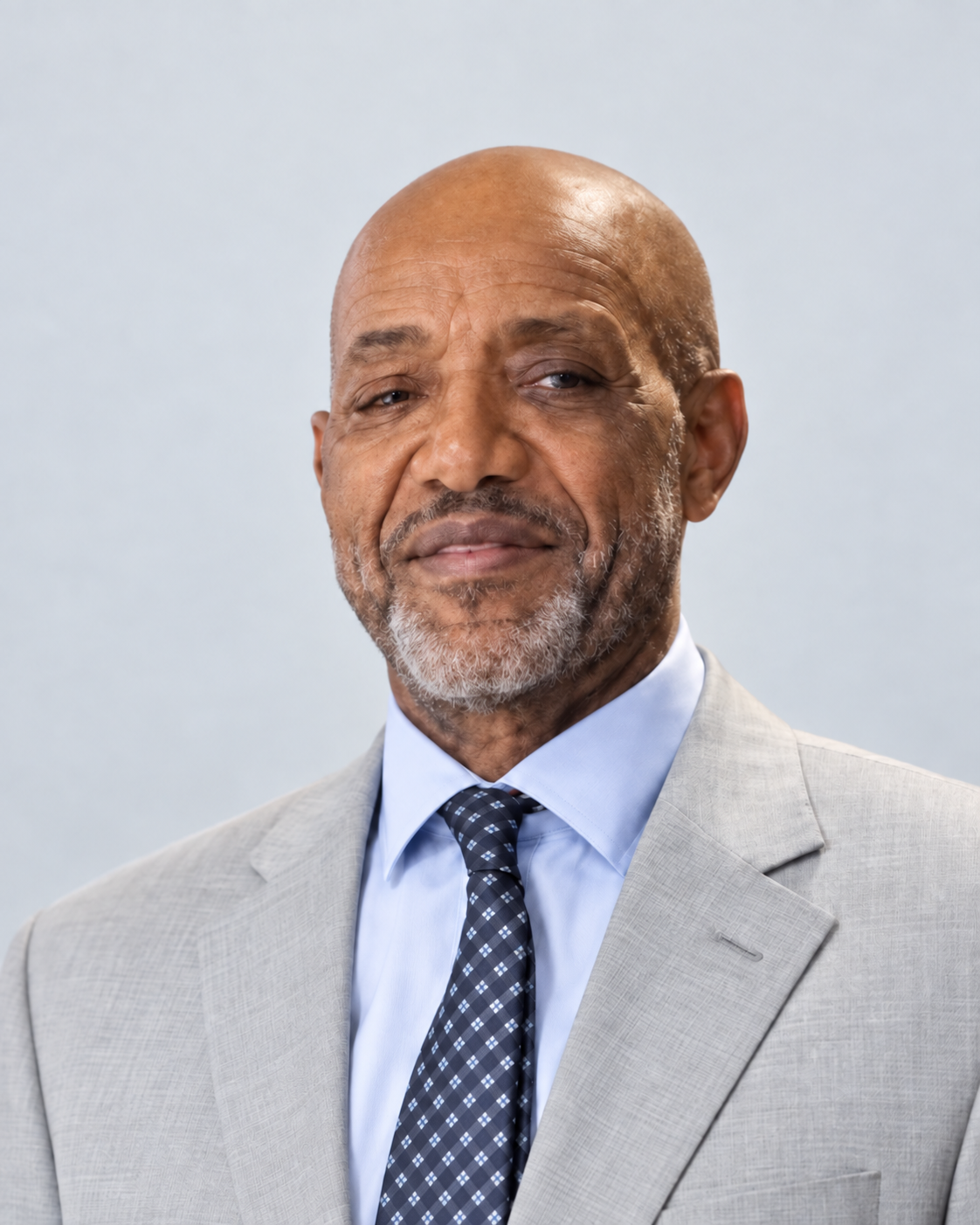
Chief Executive Officer, LB Seed Oil Manufacturing PLC
Areas of expertise: international business, business partnership development and coordination of cross-border cooperation.
Key areas of work include negotiations with international partners, development of import-export relationships and coordination among international project participants.
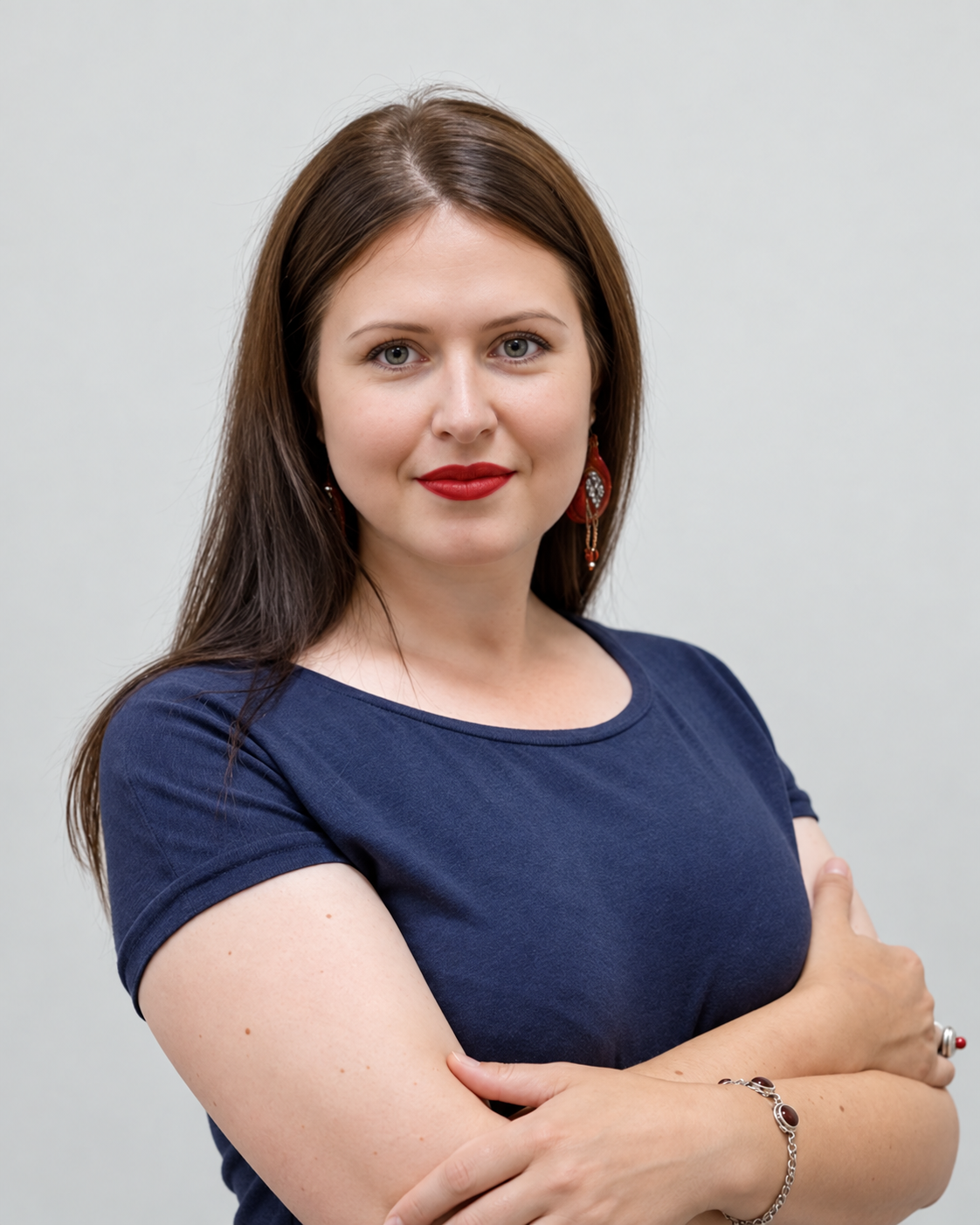
Director of Development and Innovation, LB Seed Oil Manufacturing PLC
Focuses on innovation strategy, pilot projects and collaboration with technology partners in Africa and Russia. Combines experience in industrial management, design and information technology.
CEO of EDEM LLC. Education: Politecnico di Milano, Peter the Great St Petersburg Polytechnic University and the Stieglitz Academy. Core expertise includes business development, technology projects and multidisciplinary teams.

Partner, MIT Group Agro · Production and Foreign Trade
Executive with 20 years of international experience in energy, industry and services. Specialises in production start-ups, operations management and projects across the Middle East, Africa and Asia.
Previously worked at Schlumberger, Weatherford, Nabors Industries and CAFU Petroleum. Joined MIT Group Agro in 2025 as Partner and Director of Production and Foreign Trade. Graduate of Gubkin Russian State University of Oil and Gas.
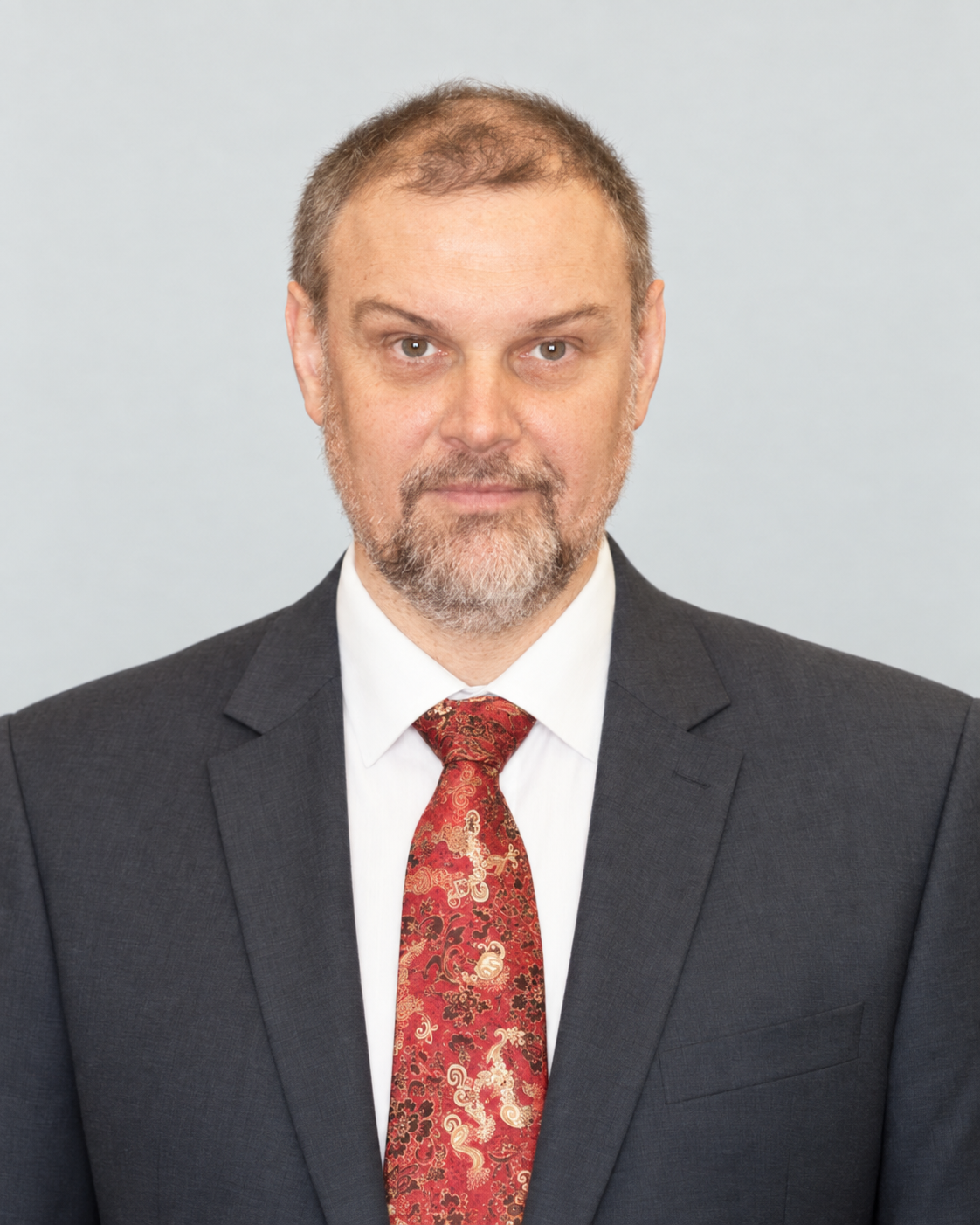
Doctor of Biological Sciences · Scientific Expertise
Specialist in soil science and silicon biogeochemistry. Studies plant nutrition and develops silicon-based agricultural technologies for soil restoration and reduced contaminant accumulation.
Leading researcher at the Institute of Basic Biological Problems of the Russian Academy of Sciences, according to the supplied CV. Graduate of Moscow State University's Faculty of Soil Science; doctoral research focused on mobile silicon compounds in the soil–plant system. Experience in international research and consulting projects.
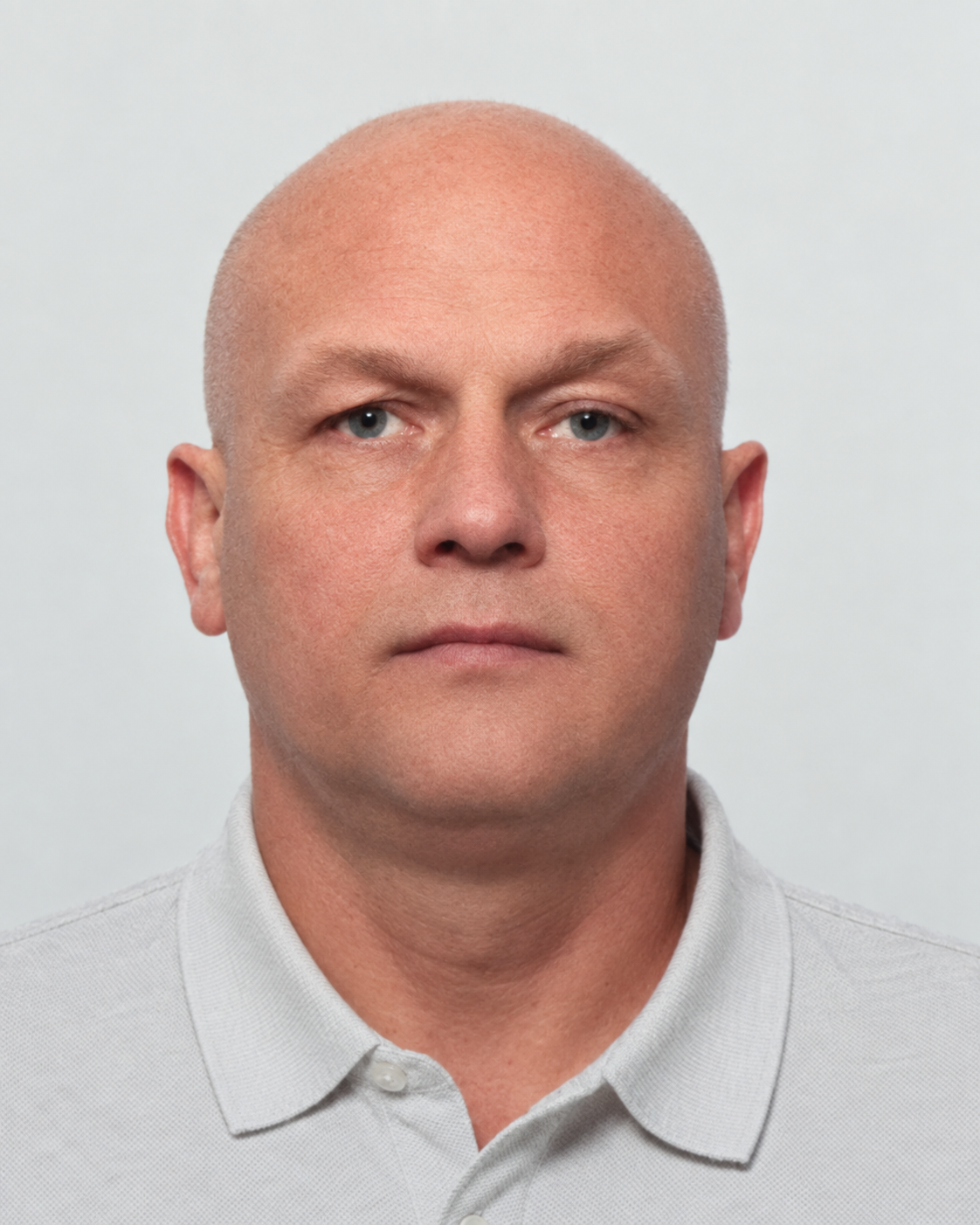
Founder and Head of Hans Food
Expert in establishing and scaling food manufacturing businesses. Involved in launching two further-processing meat plants and developing their technological and operating processes.
Founded Hans Food in 2016. The company works with ingredients for meat processing, sausage casings and bakery inputs. Expertise includes product development, processing solutions and export contract development.
INVESTOR MATERIALS
The next phase requires site due diligence, supplier quotations, trial batches and contracted purchase and sales prices.
The presentations include the current financial model and initial funding tranches.
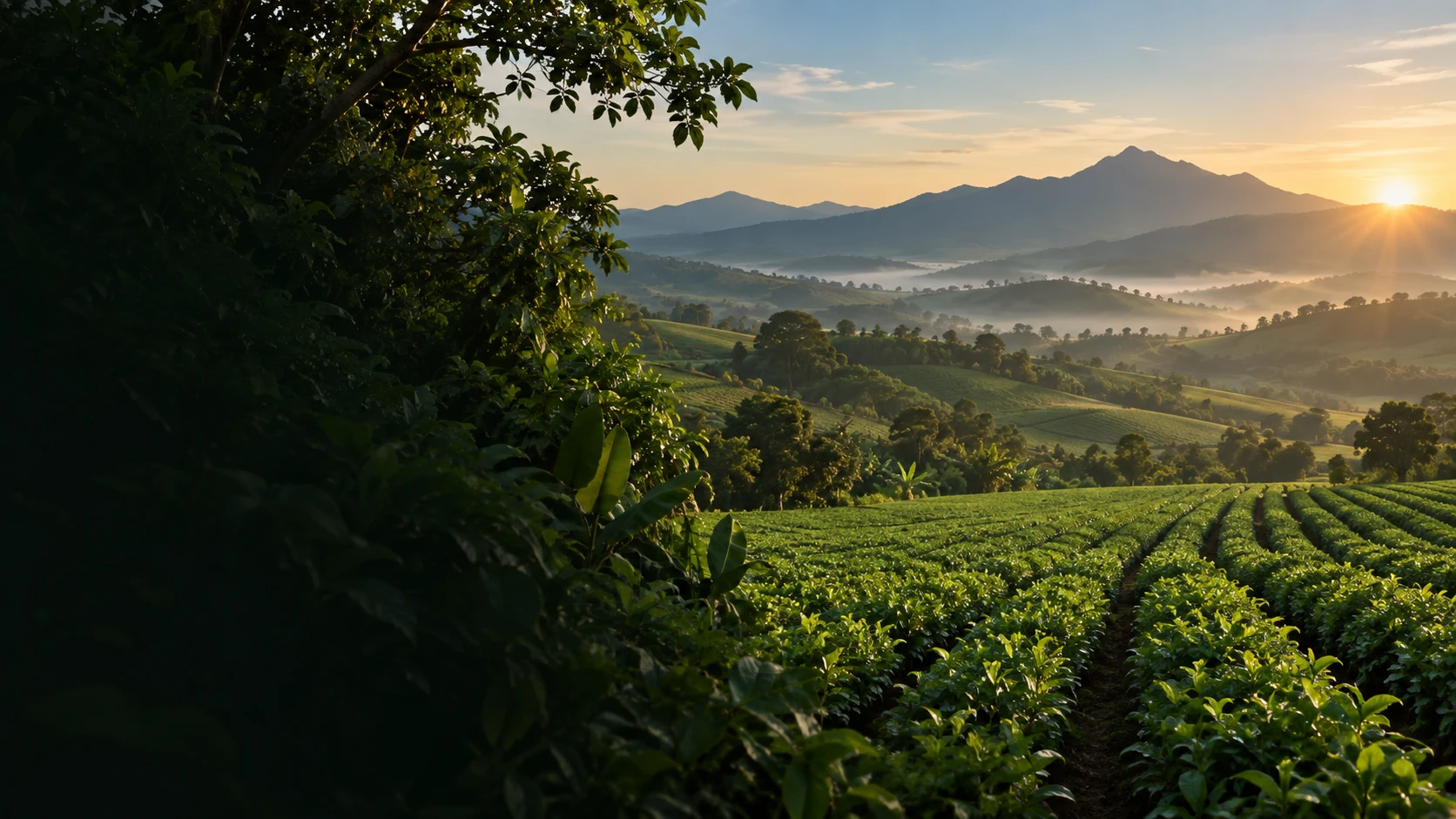
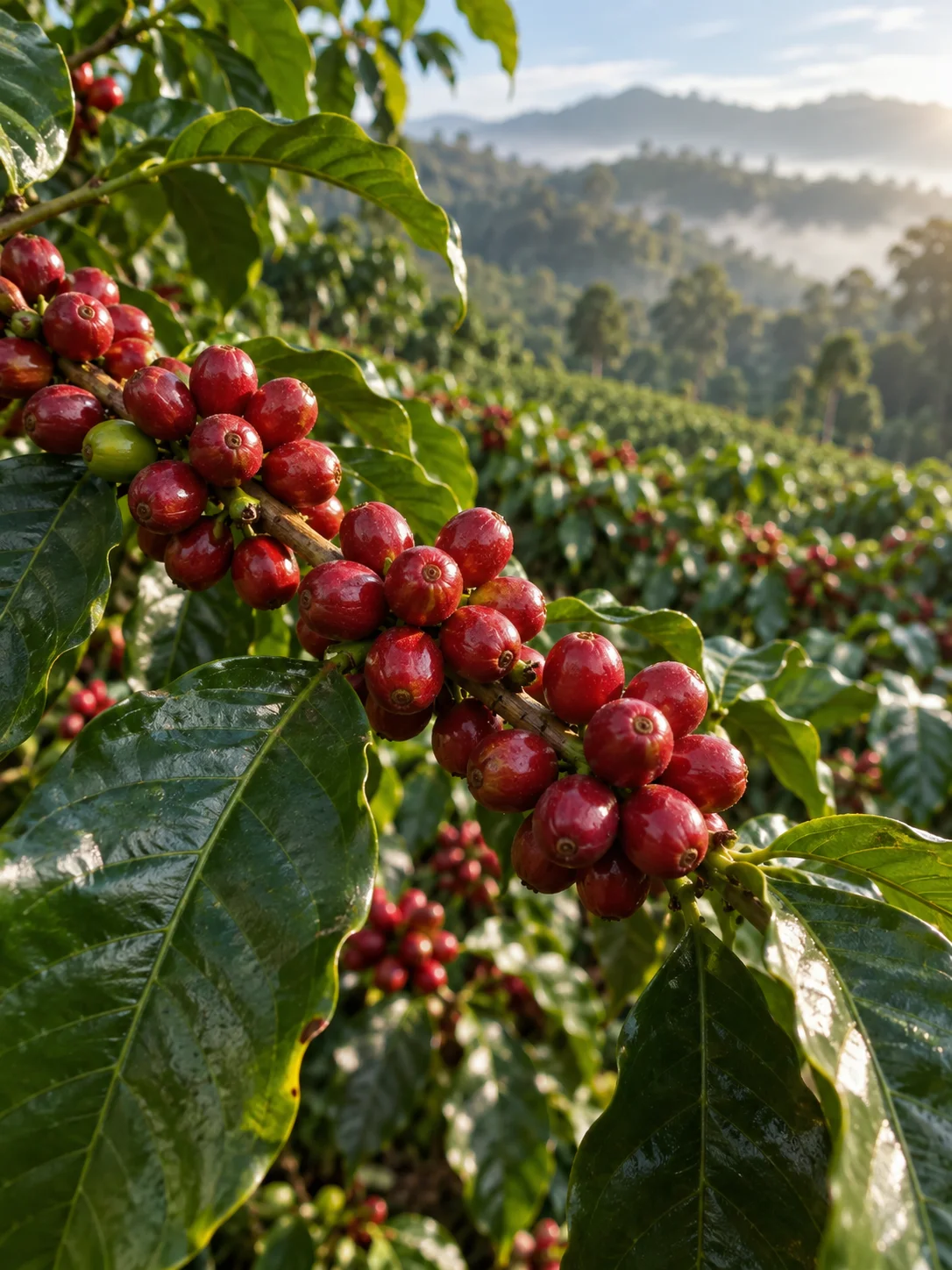
Basis: initiator documents and the holding concept. The financial model was revised on 12 September 2026 for bottling → refining → extraction. The presentations reflect the current model and funding tranches. Prices, capacities and dates are modelling assumptions. Field and coffee images are AI-generated and do not depict operating assets of the holding.
PROJECT CONTACTS